How to Source Solid Plastic Sheets in 2026?
Sourcing solid plastic sheets in 2026 requires more than comparing prices on a supplier website. Buyers must connect material choice with the real working environment. That means checking temperature ranges, chemical exposure, impact loads, outdoor weathering, and fabrication methods. A sheet used for machine guards faces different demands than one used for food-processing equipment.
Ellen MacArthur, founder of the Ellen MacArthur Foundation, has stated, “A circular economy for plastics is one in which plastic never becomes waste.” This principle matters when selecting solid plastic sheets. Ask whether the supplier offers recycled grades, take-back options, material identification, and practical end-of-life guidance. However, sustainability claims should not be accepted without evidence. Request technical data sheets, recycled-content certificates, batch records, and independent test results. Marketing language can sound convincing. It may still hide important limits.
I have seen sourcing decisions improve when buyers test small samples before approving full production. Measure thickness, flatness, color consistency, and cutting behavior. Examine the edges after drilling. Check whether the sheet warps after heating. Small details matter. A lower-cost sheet may create expensive rework later. Supplier experience also deserves close attention. Ask for production references, quality-control procedures, lead-time records, and clear communication during complaints. No supplier is perfect. That includes highly reputable companies. A careful buyer should document assumptions, challenge unclear specifications, and review them after the first shipment. In 2026, reliable sourcing will depend on verified performance, transparent documentation, and a willingness to question convenient answers.
Understanding Solid Plastic Sheet Types and Applications
How to Source Solid Plastic Sheets in 2026?
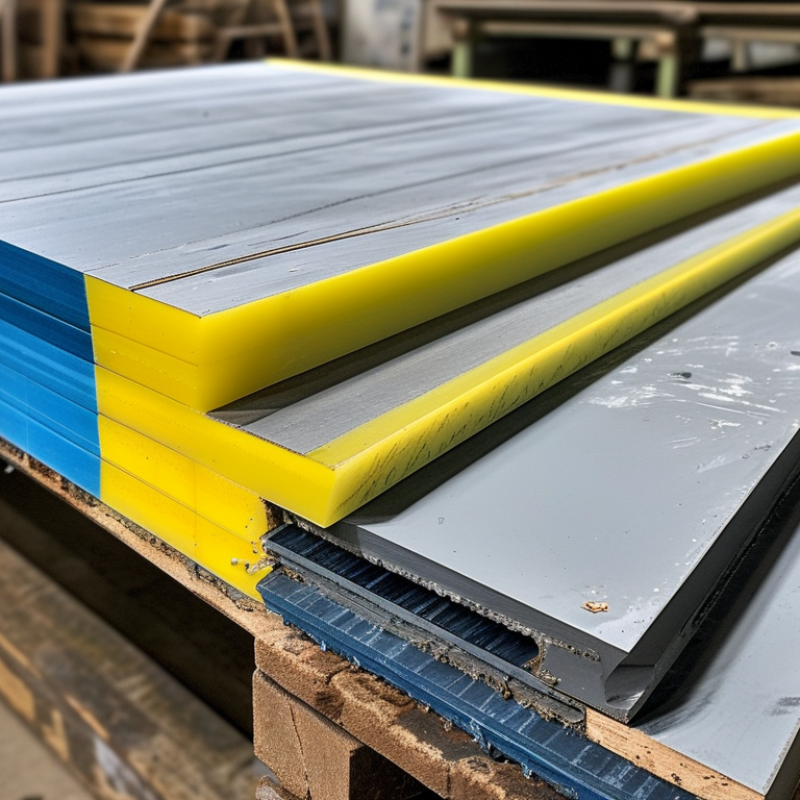
Solid plastic sheets differ sharply in strength, heat resistance, and chemical stability. HDPE suits tanks, cutting boards, and outdoor liners because it resists moisture and impact. Polypropylene handles repeated washing and moderate heat. PVC works well for ducting and fabricated panels. Acrylic offers clean optical clarity, while polycarbonate provides higher impact resistance. UHMW-PE reduces friction in conveyor guides and wear strips.
Application should guide sourcing, not appearance alone. A clear sheet may still crack under vibration. A glossy surface may scratch quickly. Check thickness tolerance, flatness, operating temperature, UV exposure, and chemical contact before requesting quotations. PlasticsEurope reported European plastics production at 54.6 million tonnes in 2023, showing the scale of this supply chain. The OECD also reported that only 9% of global plastic waste was recycled in 2019. That figure makes verified recycled content and end-of-life planning more important.
Tips: Request a technical datasheet, batch certificate, and sample piece. Test drilling, bending, and surface wear before placing a large order. Ask whether recycled content changes color or impact strength. Do not trust a “food-safe” claim without documented compliance for your target market. Price comparisons can mislead when one supplier excludes cutting, packaging, or tolerance control. I have seen procurement teams overlook these details. That mistake is expensive, but avoidable.
How to Source Solid Plastic Sheets in 2026? - Understanding Solid Plastic Sheet Types and Applications
| Sheet Type | Typical Density | Typical Continuous Service Temperature | Key Properties | Common Applications | Important Sourcing Checks |
|---|---|---|---|---|---|
| HDPE | 0.94–0.97 g/cm³ | About −50 to 80°C | Excellent chemical and moisture resistance; low water absorption; good impact strength; easy to machine. | Tank linings, cutting boards, wear strips, fabricated containers, piping components, and outdoor protection panels. | Confirm food-contact status where required, UV stabilization for outdoor use, thickness tolerance, and flatness. |
| PP | 0.90–0.91 g/cm³ | About 0 to 100°C | Very low moisture absorption; strong chemical resistance; lightweight; suitable for heat-welding and fabrication. | Chemical tanks, laboratory equipment, battery components, ventilation ducts, and process-industry liners. | Check impact performance at low temperatures, weldability, flame rating, and resistance to the intended chemicals. |
| PVC-U | 1.35–1.45 g/cm³ | About 0 to 60°C | Rigid, economical, corrosion-resistant, electrically insulating, and easy to cut, drill, and bond. | Chemical-processing covers, tanks, ducting, signage, electrical enclosures, and construction panels. | Verify temperature limits, chemical compatibility, impact requirements, fire classification, and regulatory compliance. |
| Acrylic (PMMA) | Approximately 1.17–1.20 g/cm³ | About −30 to 80°C | High optical clarity, good weatherability, strong surface hardness, and lower weight than glass. | Light diffusers, machine guards, displays, glazing, sign panels, and architectural features. | Specify cast or extruded grade, light transmission, UV exposure, scratch resistance, thickness, and edge-finish needs. |
| Polycarbonate (PC) | Approximately 1.20 g/cm³ | About −40 to 115°C | Very high impact resistance, good dimensional stability, transparency, and relatively high heat capability. | Safety glazing, machine guards, protective covers, skylight panels, and electrical or transport components. | Confirm UV coating, optical quality, stress-cracking resistance, fire rating, and the required impact standard. |
| ABS | Approximately 1.03–1.07 g/cm³ | About −20 to 80°C | Good impact strength, machinability, surface finish, and dimensional stability; generally not preferred for prolonged outdoor exposure without protection. | Equipment housings, instrument panels, prototypes, interior components, and thermoformed parts. | Check UV protection, flame performance, thermoforming suitability, surface texture, and recycled-content requirements. |
| PTFE | Approximately 2.14–2.20 g/cm³ | Up to about 260°C for continuous service, depending on grade and design | Exceptional chemical resistance, very low friction, non-stick behavior, and wide operating-temperature capability. | Seals, gaskets, sliding components, electrical insulation, chemical-processing parts, and low-friction liners. | Specify virgin or filled grade, creep resistance, dimensional tolerances, permeation requirements, and machining method. |
| PVDF | Approximately 1.75–1.80 g/cm³ | About −40 to 140°C | High purity, strong chemical resistance, good mechanical strength, and good resistance to weathering and UV exposure. | Semiconductor processing, high-purity piping, chemical handling, filtration components, and demanding outdoor systems. | Review purity level, weldability, chemical compatibility, lot traceability, and certification requirements. |
| PEEK | Approximately 1.30–1.32 g/cm³ | About 250°C for continuous service, depending on grade and load | High-temperature strength, excellent chemical resistance, wear resistance, dimensional stability, and strong electrical performance. | Aerospace, medical equipment, semiconductor tools, high-temperature seals, bearings, and precision components. | Confirm grade composition, sterilization or regulatory needs, machining tolerances, heat exposure, and total cost per part. |
Related Posts
-

What is the Best Plastic Sheets for Your Needs?
-

Top 10 Benefits of Using Coloured Plastic Sheets for Your Needs
-
2026 Top ABS Plastic Sheets for Global Buyers to Consider?
-
2026 How to Choose Solid Plastic Sheets for Your Next Project?
-

10 Essential Tips for Choosing the Right Plastic Sheet Material?
-
Top 10 Plastic Sheet Materials for Your Next Project?