What is clear polycarbonate and its applications?

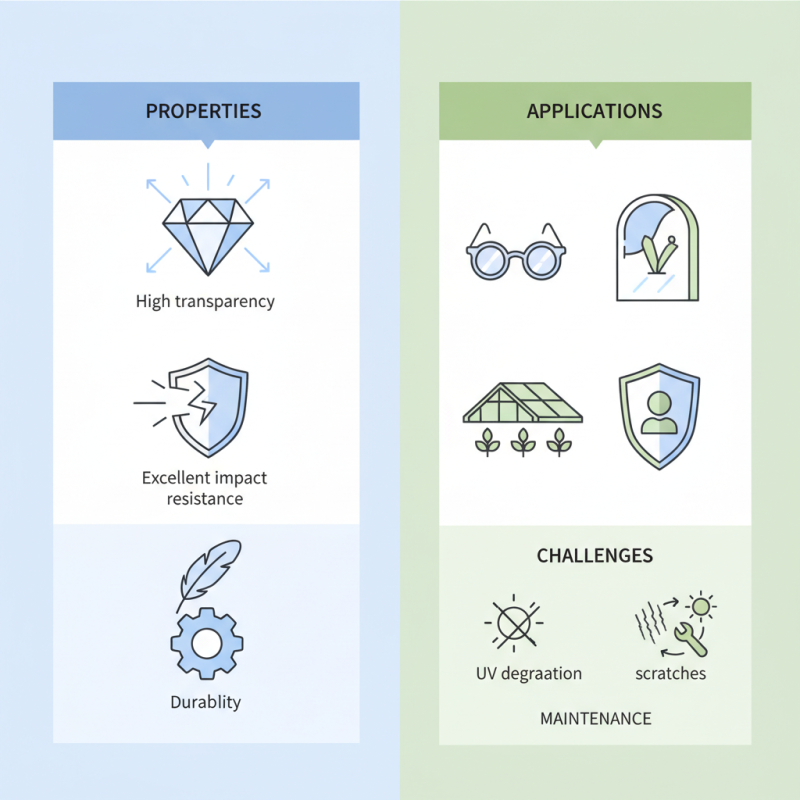
Clear polycarbonate is a remarkable material known for its versatility and durability. This unique type of plastic is characterized by its high transparency and excellent impact resistance. Many industries rely on clear polycarbonate for its lightweight properties and strength. Its applications range from eyewear lenses to construction materials.

The use of clear polycarbonate has grown significantly over the years. It's commonly found in applications like safety glasses, greenhouse panels, and even protective shields. Companies appreciate its ability to withstand harsh conditions while maintaining clarity. However, it’s worth noting that some products may not perform as expected over time.

While clear polycarbonate holds many advantages, it also faces challenges. Scratches and UV degradation can affect its longevity. Users often need to consider maintenance and care to maximize its lifespan. Understanding these attributes will help make informed decisions about its applications and suitability for different projects.
What is clear polycarbonate and its applications?

Definition of Clear Polycarbonate

Clear polycarbonate is a versatile thermoplastic material known for its strength and transparency. This durable polymer is made from a combination of bisphenol A and phosgene. The result is a lightweight material that can withstand high impacts. It has a glass-like clarity, making it an excellent choice for various applications.

In construction and architecture, clear polycarbonate is often used for windows and skylights. Its ability to block harmful UV rays while allowing natural light is particularly beneficial. Additionally, it finds use in safety equipment, providing a robust shield in environments where traditional glass might shatter.

Despite its many benefits, using clear polycarbonate requires careful consideration. The material can be prone to scratching, which affects clarity over time. Proper coatings can help mitigate this issue, but they may add to the cost. Overall, while clear polycarbonate offers numerous advantages, users should be aware of its limitations and maintenance needs.
Applications of Clear Polycarbonate

Properties of Clear Polycarbonate

Clear polycarbonate is a versatile thermoplastic known for its remarkable durability and transparency. It exhibits high impact resistance, making it an excellent choice for safety applications. With a tensile strength of around 9,500 psi, polycarbonate is much stronger than glass yet lightweight. Its ability to withstand temperatures ranging from -40 to 120 degrees Celsius further enhances its appeal across various industries.

In addition to its strength, clear polycarbonate has excellent optical clarity, making it suitable for applications like eyewear lenses and safety goggles. According to industry reports, the global polycarbonate market is expected to grow substantially, driven by increasing demand in automotive and electronics sectors. This growth highlights the material's importance in both safety and functionality.

Tips: When selecting polycarbonate for your project, consider its UV resistance. Many polycarbonates have a coating to protect against UV degradation. This can significantly prolong the material's life, especially in outdoor applications. Additionally, bear in mind that while polycarbonate is tough, it can be prone to scratching. Prompt maintenance can mitigate this issue.

What is Clear Polycarbonate and its Applications? - Properties of Clear Polycarbonate

Property Description Applications
Transparency High light transmission of up to 90%, providing excellent clarity. Safety glasses, windows, and displays.
Impact Resistance Extremely durable and resistant to impact, up to 200 times stronger than glass. Protective gear, security glazing, and face shields.
Temperature Resistance Can withstand temperatures from -40°C to +120°C. Automotive components and outdoor signage.
UV Resistance Can be treated to resist UV rays, preventing yellowing and degradation. Outdoor applications and glazing in greenhouses.
Weight Lightweight material, about half the weight of glass. Portable devices and overhead glazing.

Common Applications of Clear Polycarbonate

Clear polycarbonate is a versatile material known for its strength and transparency. This unique combination makes it ideal for various applications across industries. One of the most notable uses is in safety equipment. Clear polycarbonate is utilized in manufacturing safety goggles and face shields. These items provide high impact resistance while ensuring clarity for the user.

Another common application is in construction. Clear polycarbonate sheets are often used as roof panels or windows. They allow natural light to enter while offering protection from UV rays. This application not only enhances aesthetics but also contributes to energy efficiency in buildings. Additionally, polycarbonate is used in the automotive industry for headlights and interior parts, thanks to its durability and lightweight nature.

In electronics, clear polycarbonate is a preferred choice for creating protective covers for devices. These covers shield sensitive components from dust and moisture. While its vast range of uses demonstrates its reliability, it is essential to note that polycarbonate can scratch easily. Proper care and maintenance are crucial to maintain its clarity. Recognizing the potential drawbacks is vital for users seeking the most effective applications.

Advantages of Using Clear Polycarbonate

What is clear polycarbonate and its applications?

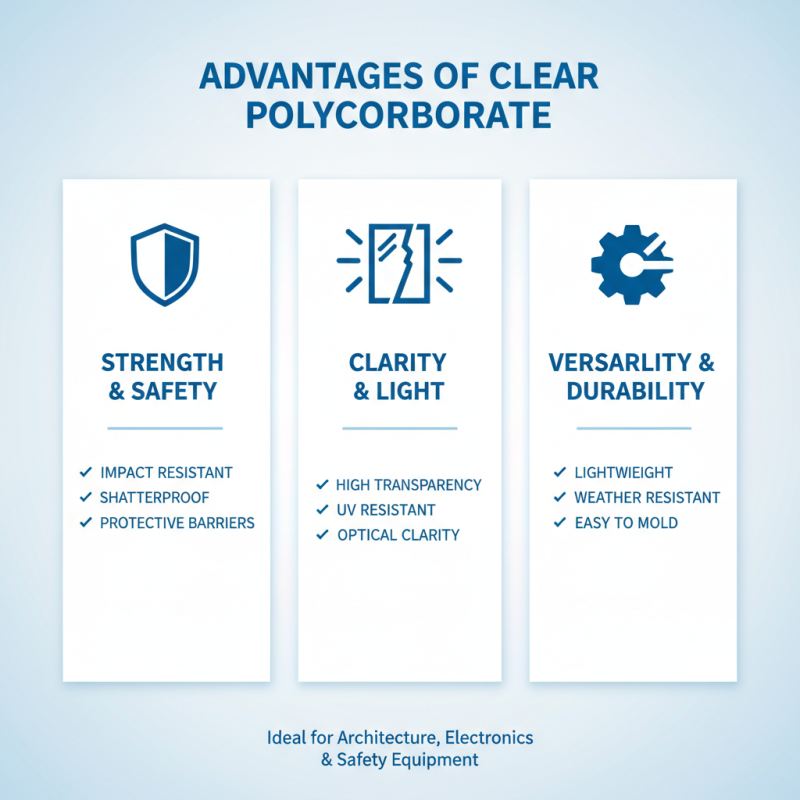
Clear polycarbonate is a versatile material known for its strength and transparency. This lightweight plastic, often compared to glass, has unique properties that make it suitable for various applications. Its use in architectural designs, safety equipment, and even consumer electronics showcases its adaptability.

One major advantage of clear polycarbonate is its impact resistance. It is much stronger than glass, making it ideal for safety barriers and protective shields. Additionally, polycarbonate has excellent weather resistance, which means it can withstand harsh environmental conditions without degrading. It is also lightweight, easy to fabricate, and can be molded into complex shapes, giving designers and engineers more flexibility.

Tips: When using clear polycarbonate, consider its thermal insulation properties. This can enhance energy efficiency in buildings. Ensure proper UV protection to maintain clarity over time, preventing yellowing. Regular maintenance can prolong its lifespan, so clean it gently. Use non-abrasive cleaners to avoid scratching the surface.

The clarity of polycarbonate not only allows light to pass through but also contributes to aesthetic appeal. However, it's important to remember that while polycarbonate is durable, it can still be scratched. Be mindful of storage and handling methods to minimize wear. Proper installation practices are crucial as well, to avoid stress that may lead to cracking.

Comparison with Other Transparent Materials

Clear polycarbonate is a versatile thermoplastic known for its outstanding transparency and impact resistance. When compared to other transparent materials like acrylic and glass, polycarbonate offers several advantages. For instance, polycarbonate is nearly 200 times stronger than glass, making it an excellent choice for high-stress applications. According to a 2022 industry report, polycarbonate is expected to reach a market size of USD 6 billion by 2025, driven by its increasing use in safety glasses, automotive components, and electronic devices.

While both acrylic and polycarbonate are lightweight and shatter-resistant, they differ in thermal resistance and UV stability. Acrylic tends to scratch more easily, while polycarbonate remains clear even under harsh conditions. However, one critical point of reflection is polycarbonate's sensitivity to heat, which can lead it to deform at elevated temperatures. In applications like outdoor signage or industrial settings, this can pose a challenge.

Tips: For those using polycarbonate, consider protective coatings to enhance scratch resistance. Ensure the thickness is appropriate for your specific use case to avoid deformation. For effective applications, balance cost with performance to achieve optimal results.