How to Choose the Right Plastic Film for Your Needs?
Choosing the right plastic film can be daunting. There are many types available, each designed for specific applications. Understanding your needs is essential for making the best choice.
Plastic films vary greatly in thickness, texture, and durability. Some are ideal for packaging food, while others are more suited for industrial use. Each option has its pros and cons. You might need a strong, moisture-resistant film for outdoor use. Or perhaps a lightweight film for easy handling.
Think about what you need the plastic film for. Will it protect your items? Should it be recyclable? These questions will guide your decision. Without careful consideration, you might end up with a film that isn’t quite right. Reflect on your priorities, and remember that the perfect choice might not exist.
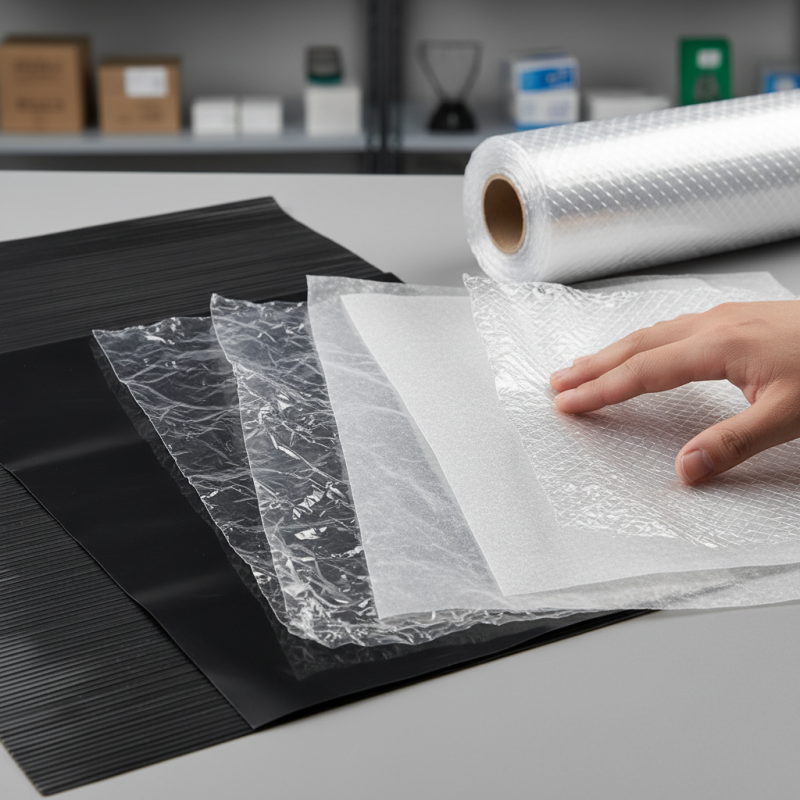
Understanding Different Types of Plastic Films and Their Applications
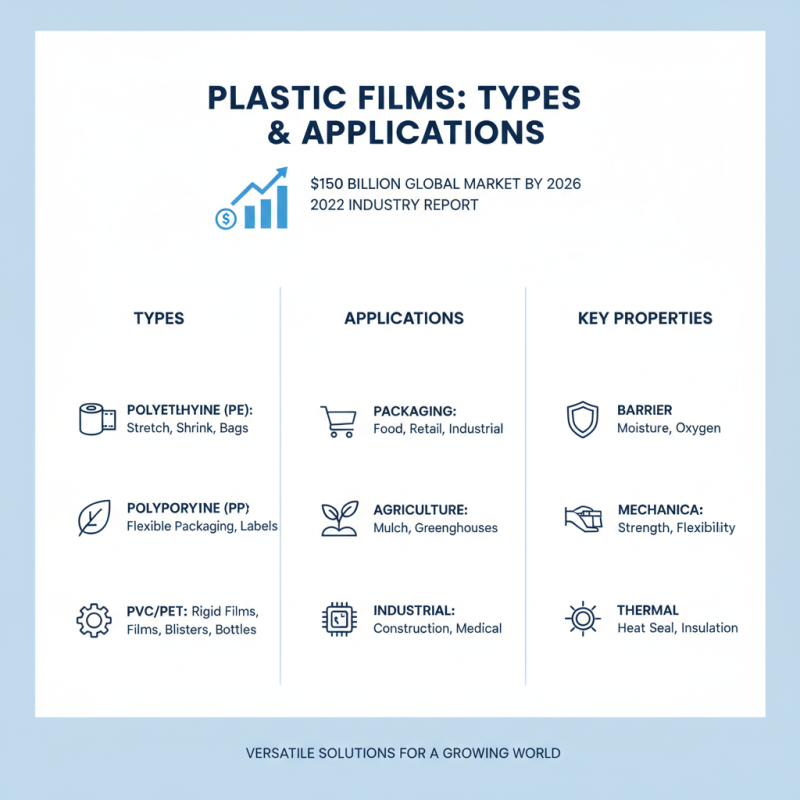
Choosing the right plastic film involves understanding its types and applications. Various plastic films serve specific needs across industries. According to a 2022 industry report, the global market for plastic films is expected to reach $150 billion by 2026. This growth reflects unique applications ranging from packaging to agriculture.
Polyethylene (PE) films are versatile. They are widely used for packaging food items, thanks to their excellent moisture barrier properties. Polypropylene (PP) films, on the other hand, offer more clarity and strength, making them suitable for retail packaging. PVC films are often utilized in signage due to their durability. Understanding these features helps in selecting the right material.
Here are some tips when choosing plastic films: Focus on durability for long-term applications. If clarity is key, opt for polypropylene. Investigate if recycling options are available, as sustainability becomes crucial.
Despite the advancements in plastic film technology, some limitations exist. Certain films may not perform well in extreme temperatures. Additionally, not every film is recyclable, leading to potential environmental concerns. Careful consideration of these factors is essential for informed decision-making.
Key Factors to Consider When Selecting a Plastic Film Material
Choosing the right plastic film involves several key factors. The application is crucial.
For instance, packaging films must be moisture-resistant, while agricultural films should offer UV protection.
According to a recent report from Technavio,
the global plastic film market is projected to grow by 3.5% annually.
Understanding specific needs is essential in this growing market.
Thickness is another important aspect.
Depending on the purpose, thickness can vary significantly. A thinner film might save costs, but could compromise durability.
Conversely, a thicker film ensures strength but impacts flexibility.
The right balance is often elusive. According to a study by MarketsandMarkets,
over 60% of businesses face challenges in selecting appropriate film thickness.
Environmental impact should also be considered. Many films are recyclable, but not all.
Biodegradable options are gaining traction among eco-conscious consumers. However, the upfront cost can be higher.
This decision often leads to a dilemma for businesses.
Balancing cost, performance, and sustainability remains a significant challenge.
Comparative Analysis of Thickness and Durability in Plastic Films
When choosing plastic films, thickness and durability are key factors. Thicker films generally offer greater strength. However, they can also be heavier and less flexible. For applications that require high durability, selecting the right thickness is crucial.
A film that is too thin may tear easily. One that is too thick might not perform well in certain conditions. Striking a balance is essential.
Consider the specific use case. If you need a film for packaging fragile items, a thicker, more durable option might be ideal. Conversely, for short-term outdoor use, a thinner film could suffice. Examine environmental factors, too.
Exposure to sunlight can degrade thinner films more quickly. Reflecting on your needs will help guide your choice effectively.
Testing different films can yield insightful results. Sometimes, practical experience reveals issues that specifications do not cover. You might find that a film labeled as durable does not hold up as expected. Pay attention to the conditions in which the film will be used.
This will lead to better decision-making. Remember, experimentation can be a valuable part of the selection process.
Industry Standards and Certifications for Plastic Film Selection
When selecting plastic films, understanding industry standards and certifications is essential. These guidelines ensure that the film meets specific performance and safety criteria. Common standards include ISO, ASTM, and EN. Each has a set of requirements tailored to different applications. For instance, food packaging films may need to adhere to safety regulations that prevent contamination.
Different certifications, like FDA-approved or BPA-free, signal compliance with health and safety regulations. It’s crucial when choosing films for sensitive products. Not all films are created equal. Some might perform well in certain tests but fail in real-world applications. Always check the certification documents and ask for test results. Manufacturers should provide this information.
Consider durability, stretchability, and clarity when assessing films. A film that looks good on paper may not withstand harsh conditions. This can lead to product spoilage or damage. Always reflect on your needs and match them to the right certifications. It may take time, but making informed choices will lead to better outcomes.
Cost vs. Performance: Evaluating Your Plastic Film Options
When choosing plastic film, cost and performance are crucial factors. Different applications require varying levels of durability. For instance, a lightweight film may suffice for packaging, while heavy-duty options are better for protective coverings. Understanding these needs is essential. You might save money on cheaper films, but they may not hold up in harsh conditions.
Evaluate the specific performance requirements for your project. Consider factors such as temperature resistance, moisture barrier properties, and UV stability. Sometimes, a more expensive film offers better longevity. This can justify the initial investment. However, it’s important to weigh these attributes against your budget constraints.
Assess the trade-offs involved. A lower-cost film could lead to higher replacement costs over time. Conversely, investing in high-performance options might not be necessary for every application. Reflect on your choices and align them with your goals. Finding that balance is a process, not just a decision.
Related Posts
-
2025 How to Choose Clear Plastic Sheets for Maximum Durability and Versatility
-
10 Essential Tips for Choosing the Right PVC Sheets for Your Projects
-

Top Benefits of Polycarbonate Multiwall Sheets for Your Projects?
-

2026 Best Plastic Sheet Material Options for Every Need?
-

Top 7 Benefits of Using Opaque Polycarbonate in Modern Architectural Design
-
Why Choose Opaque Plastic Sheeting for Your Next Project?