How to Choose Polycarbonate Multiwall Sheets for Your Projects?
Choosing the right materials for your projects can be challenging. Polycarbonate multiwall sheets stand out for their versatility and durability. They are a popular choice for various applications, including greenhouses, skylights, and partition walls. However, not all polycarbonate multiwall sheets are created equal.
When selecting these sheets, consider factors such as thickness, insulation properties, and UV resistance. The thickness impacts strength and weight, while good insulation can reduce energy costs. UV resistance is critical for outdoor applications, as it influences the sheet’s longevity.
Some users may find it hard to identify the right type for their needs. Looking into specific product specifications can often be overwhelming. It's essential to study the available options carefully and seek expert advice. In this way, you can ensure that your project meets both aesthetic and practical requirements. Choose wisely and reflect on your options—your final decision will have lasting effects.
Understanding Polycarbonate Multiwall Sheets: Features and Benefits
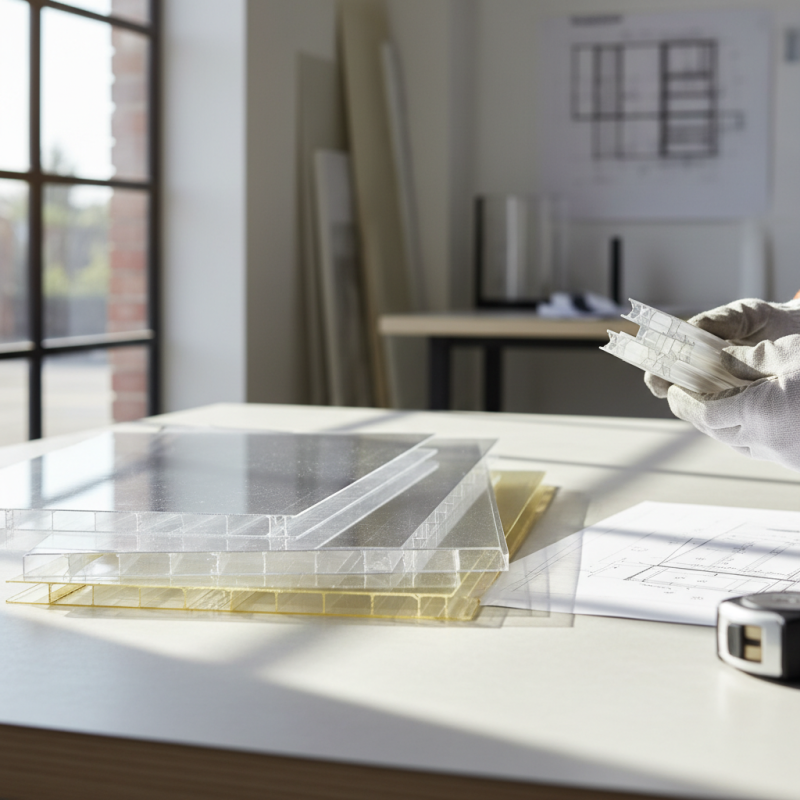
Polycarbonate multiwall sheets are an excellent choice for numerous applications. They provide significant thermal insulation, reducing energy costs. According to a study by the Polycarbonate Coalition, these sheets can improve energy efficiency by up to 30%. This is especially beneficial in greenhouse construction, where controlled climates are essential for plant growth.
Beyond energy savings, these sheets offer incredible impact resistance. They are nearly 200 times stronger than glass, making them ideal for environments prone to high winds or hail. An industry report from the Global Polycarbonate Market indicates that the demand for such material is projected to grow by 4% annually due to its durable nature.
However, not all polycarbonate sheets are created equal. It’s vital to choose sheets with UV protection to prevent degradation over time. A lack of proper UV coating can lead to discoloration and brittleness. Thus, understanding these features is crucial before making a selection. Consider the long-term implications of material choice on your project’s durability and performance. Choosing wisely can save both time and money in the long run.
How to Choose Polycarbonate Multiwall Sheets for Your Projects?
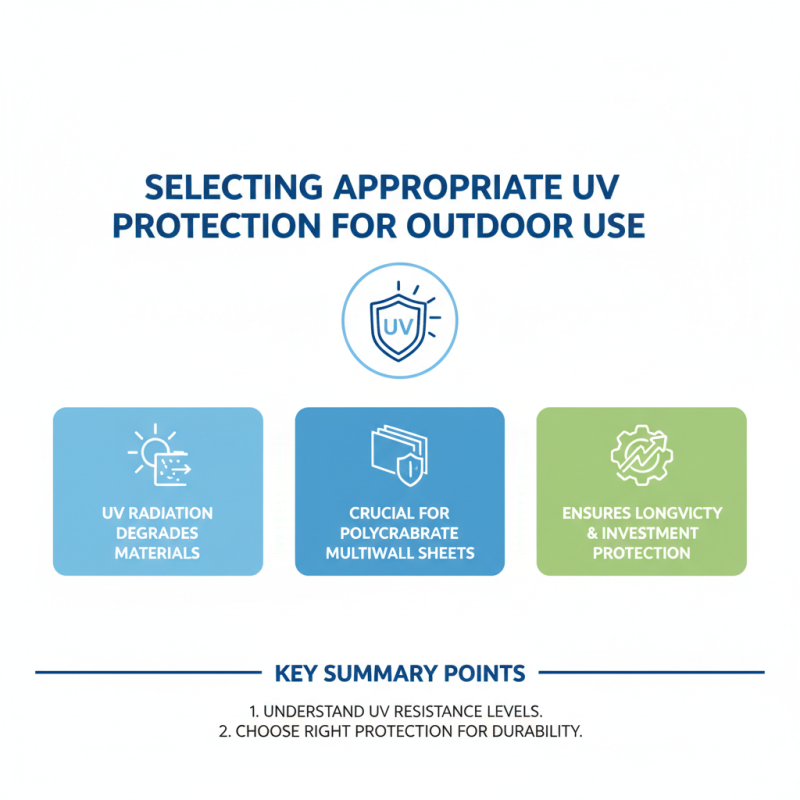
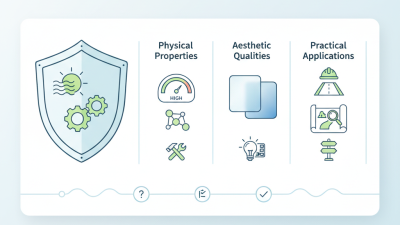
This chart illustrates the key features and benefits of polycarbonate multiwall sheets, which are essential for evaluating their suitability for various projects.
Identifying the Right Thickness for Your Project Requirements
When choosing polycarbonate multiwall sheets, thickness plays a crucial role. The right thickness determines strength, insulation, and light transmission. Thicker sheets provide better insulation and impact resistance. They are ideal for greenhouses or canopies. However, using thicker sheets may not be necessary for all projects.
Consider the specific requirements of your project. If you need high durability, opt for thicker panels. A thickness of 6mm can be good for DIY projects such as patio roofs. For applications like room dividers, thinner options may suffice. These can still provide clarity while being lighter.
Reflect on your workspace conditions. Fire safety is another factor; some thicker sheets perform better in flame resistance tests. Aesthetics matter too; the thickness you choose can influence the overall look. A balance between durability, weight, and style is essential. Picking the right thickness can save you time and money in the long run.
Selecting the Appropriate UV Protection for Outdoor Use
When selecting polycarbonate multiwall sheets for outdoor projects, UV protection is crucial. UV radiation can cause materials to degrade over time. Choosing the right UV protection ensures your investment lasts. It’s vital to understand the level of UV resistance your sheets offer.
Tips for selecting UV protection include checking the sheet's specifications. Look for those with multi-wall designs, as they provide better insulation and UV filtering. A thickness of at least 6mm enhances durability against harsh weather. Consider your project location, too. Areas with high sun exposure require more robust UV protection.
Remember, not all UV coatings are the same. Some may wear off faster than others, exposing your sheets to potential damage. It’s important to think critically about your choice. Some sheets might seem appealing but fail to deliver long-term protection. Balancing aesthetics and functionality can be challenging. Prioritize UV protection to ensure lasting results.
Evaluating Insulation Properties for Energy Efficiency
When evaluating insulation properties of polycarbonate multiwall sheets, understanding their energy efficiency is crucial. Multiwall sheets can effectively reduce energy costs by optimizing insulation. For instance, studies show that polycarbonate sheets can provide up to 50% better insulation than traditional single-layer glazing. This significant improvement is beneficial in maintaining stable indoor temperatures.
Moreover, the thermal conductivity of polycarbonate panels often measures around 0.2 W/m·K. This indicates their effectiveness in minimizing heat transfer. In colder climates, this can lead to substantial energy savings. Notably, multiwall sheets also block UV rays, which helps protect interior furnishings. This adds another layer of practicality for homeowners and builders.
However, one must consider installation methods and environmental factors. Not all installations yield the same insulating effect. Poor sealing or inadequate support can compromise their thermal performance. Regular maintenance checks are advisable to ensure optimal functioning. It's essential to weigh the long-term benefits against initial costs for any project.
Considering Aesthetic Options and Colors for Design Integration
When choosing polycarbonate multiwall sheets, color and aesthetics play a vital role. These sheets are available in various colors and tints, allowing for creative design integration. Clear options let natural light in, perfect for greenhouses or skylights. For areas needing less illumination, frosted or opaque sheets are beneficial. These choices can impact the feel of a space, making it brighter or more intimate.
Colors also influence mood and functionality. Warm tones, like amber or bronze, can create a cozy atmosphere. Cool tones, such as blue or green, bring a calming effect. However, choosing the right color is not just about preference. It requires understanding how light interacts with your chosen hue. This is often overlooked and can lead to unexpected outcomes.
Design integration often demands more than just color choice. Texture matters too. Smooth finishes can look modern, while textured sheets offer a more rustic appeal. Mixing different textures and colors can enhance depth in design. Yet, achieving the right balance requires careful consideration and an open mind. It’s a process that may not always yield immediate satisfaction, pushing you to rethink your initial choices.
How to Choose Polycarbonate Multiwall Sheets for Your Projects? - Considering Aesthetic Options and Colors for Design Integration

| Property | Description | Aesthetic Options | Color Variants |
|---|---|---|---|
| Thickness | Common thicknesses range from 4mm to 16mm depending on insulation and structural needs. | Smooth, textured, or embossed surfaces available. | Clear, opal, bronze, and other custom colors. |
| UV Protection | Offers UV filtration to protect against sun damage. | Coated options for enhanced UV resistance. | Typically available in clear or tinted options. |
| Light Transmission | Light transmission rates vary by color and thickness. | Frosted finishes for diffused light effects. | Available in several opacity levels. |
| Impact Resistance | High impact resistance, durable against harsh weather. | Smooth finishes tend to offer higher resistance. | Colors can influence perceived durability. |
Related Posts
-
Top Benefits of Polycarbonate Multiwall Sheets for Your Projects?
-
What is Polycarbonate Panels and Why Are They Popular?
-
10 Best Solid Polycarbonate Sheets for Durability and Versatility in 2023
-
How to Choose the Best Polycarbonate Multiwall Panels for Your Project
-

The Ultimate Guide to Choosing the Best Transparent Sheet in 2025
-
How to Choose the Right Solid Polycarbonate Sheet for Your Project